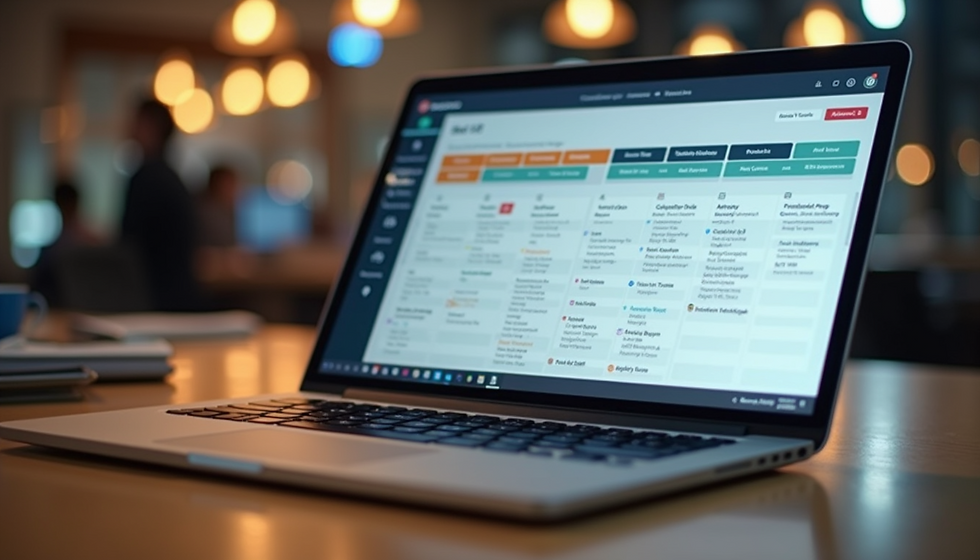
Revolutionize Your Workflow with Easy Employee Scheduling Software
- Dec 9, 2025
- 3 min read
Managing a workforce can be a complex task, especially when juggling multiple shifts, employee availability, and last-minute changes. Traditional scheduling methods often lead to confusion, errors, and wasted time. Fortunately, easy employee scheduling software offers a straightforward solution that simplifies workforce management and improves overall productivity.

Why Workforce Management Needs Simplicity
Scheduling employees manually or with outdated tools often causes overlapping shifts, missed hours, and unhappy staff. These issues can hurt morale and increase turnover. An intuitive scheduling system reduces these risks by providing:
Clear visibility of who is working when
Easy adjustments for shift swaps or absences
Automated notifications to keep everyone informed
By using easy employee scheduling software, managers spend less time on administrative tasks and more time focusing on team support and business goals.
Key Features of Easy Employee Scheduling Software
When choosing scheduling software, look for features that make the process smooth and flexible. Here are some essentials:
User-Friendly Interface
A simple, clean design helps managers and employees quickly understand schedules without confusion. Drag-and-drop functionality and color-coded shifts make it easy to create and modify schedules.
Real-Time Updates
Changes happen frequently in any workplace. Software that updates schedules instantly ensures everyone has the latest information, reducing no-shows and miscommunication.
Employee Self-Service
Allowing employees to view their schedules, request time off, or swap shifts through a mobile app or web portal empowers them and reduces manager workload.
Automated Notifications
Automatic alerts for upcoming shifts, changes, or approvals keep everyone on the same page and reduce last-minute surprises.
Reporting and Analytics
Tracking attendance, overtime, and labor costs helps managers make informed decisions and identify opportunities for improvement.
Practical Benefits for Different Industries
Easy employee scheduling software is valuable across many sectors. Here are examples of how it helps in various fields:
Retail
Retail stores often face fluctuating customer traffic and seasonal demands. Scheduling software helps managers align staffing levels with peak hours, avoiding overstaffing or understaffing.
Healthcare
Hospitals and clinics require precise scheduling to cover 24/7 shifts. The software ensures compliance with labor laws and manages complex shift rotations efficiently.
Hospitality
Restaurants and hotels benefit from flexible scheduling to accommodate busy periods and staff availability, improving service quality and employee satisfaction.
Manufacturing
Factories with multiple shifts use scheduling tools to maintain continuous production while managing employee breaks and shift changes smoothly.
How to Implement Scheduling Software Successfully
Introducing new software can be challenging. Follow these steps to ensure a smooth transition:
Assess Needs: Identify scheduling pain points and must-have features.
Choose the Right Tool: Select software that fits your team size, industry, and budget.
Train Staff: Provide clear instructions and support for both managers and employees.
Start Small: Pilot the software with one department before full rollout.
Gather Feedback: Adjust settings and processes based on user experience.
Tips for Maximizing Scheduling Efficiency
To get the most from your scheduling software, consider these best practices:
Keep schedules consistent to build employee trust.
Use historical data to predict staffing needs.
Encourage employees to update their availability regularly.
Set clear policies for shift swaps and time-off requests.
Review reports regularly to spot trends and adjust schedules accordingly.
The Impact on Employee Satisfaction and Business Performance
Easy employee scheduling software not only saves time but also improves workplace morale. When employees know their schedules in advance and can manage their shifts easily, they feel more valued and less stressed. This leads to:
Lower absenteeism
Higher retention rates
Better team collaboration
Improved customer service
For businesses, these benefits translate into smoother operations and increased profitability.