Maximizing Efficiency: The Benefits of Staff Rostering Software for Australian Businesses
- Dec 1, 2025
- 3 min read
Efficient staff management remains a challenge for many Australian businesses. Scheduling shifts, managing availability, and ensuring compliance with labour laws can consume valuable time and resources. Staff rostering software offers a practical solution to these challenges, helping businesses improve productivity and reduce errors. This article explores how Australian businesses can benefit from using staff rostering software and why it is becoming an essential tool in workforce management.

How Staff Rostering Software Works
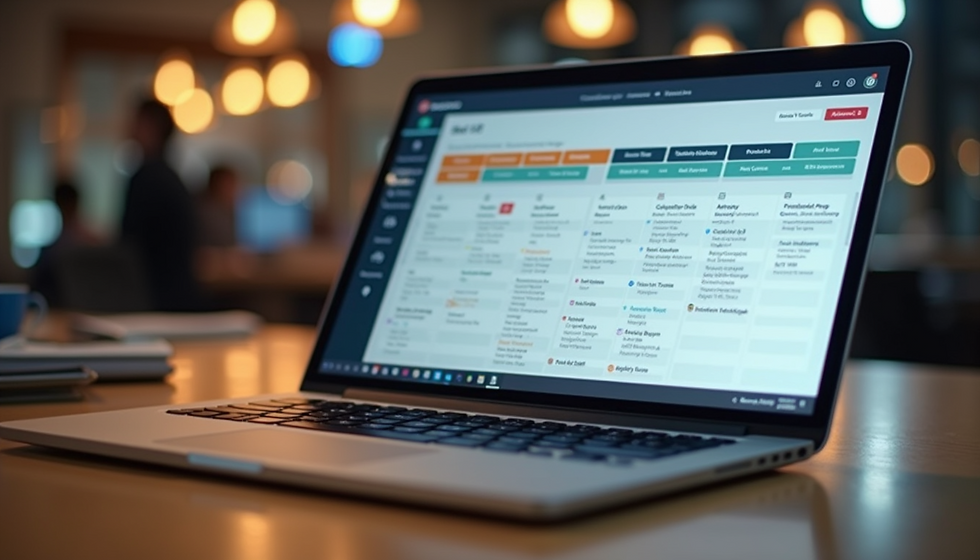
Staff rostering software automates the process of creating, managing, and sharing employee schedules. It allows managers to input employee availability, qualifications, and preferences, then generates optimal shift patterns based on business needs. Many systems also include features such as:
Automated shift swapping and approvals
Notifications and reminders for upcoming shifts
Integration with payroll and time-tracking systems
Compliance checks with Australian labour laws and award conditions
By centralising scheduling tasks, the software reduces manual errors and saves time spent on administrative duties.
Time Savings and Increased Productivity
One of the most immediate benefits of rostering software is the significant reduction in time spent creating schedules. Traditional methods like spreadsheets or paper-based systems require managers to manually check availability, avoid clashes, and ensure fair distribution of shifts. This process can take hours each week.
With rostering software, schedules can be generated in minutes. The software considers employee availability, qualifications, and business demand automatically. This frees managers to focus on other important tasks, such as customer service or staff development.
For example, a retail store in Melbourne reported saving over 10 hours per week after switching to rostering software. This extra time allowed the manager to improve staff training and store layout, which boosted sales.
Improved Accuracy and Reduced Errors
Manual scheduling often leads to errors such as double-booking employees, overlooking availability, or violating award conditions. These mistakes can cause staff dissatisfaction, increased absenteeism, and even legal penalties.
Staff rostering software minimises these risks by enforcing rules and alerts. It automatically flags conflicts and ensures compliance with Australian workplace laws, including breaks, maximum working hours, and overtime rates. This helps businesses avoid costly disputes and maintain a positive work environment.
For instance, a hospitality business in Sydney avoided a potential penalty by using rostering software that alerted them to an employee’s overtime limit before scheduling additional shifts.
Enhanced Employee Satisfaction and Communication
Clear and accessible schedules improve communication between managers and staff. Many rostering systems offer mobile apps where employees can view their shifts, request time off, or swap shifts with colleagues. This transparency reduces confusion and last-minute changes.
Employees appreciate having control over their schedules and the ability to communicate easily with management. This leads to higher job satisfaction and lower turnover rates.
A café in Brisbane found that after implementing rostering software, staff turnover dropped by 15% within six months, thanks to improved scheduling transparency and flexibility.
Cost Savings and Better Resource Allocation
Efficient rostering helps businesses avoid overstaffing or understaffing, both of which can be costly. Overstaffing increases labour costs without adding value, while understaffing can hurt customer service and sales.
Staff rostering software uses historical sales data and foot traffic patterns to predict busy periods and adjust staffing levels accordingly. This ensures the right number of employees are scheduled at the right times.
A logistics company in Perth reduced labour costs by 8% after adopting rostering software that matched staff levels to delivery volumes more accurately.
Compliance with Australian Labour Laws
Australia’s workplace laws and award conditions can be complex, especially for businesses with casual, part-time, and full-time employees. Rostering software helps ensure compliance by embedding these rules into the scheduling process.
The software can automatically calculate entitlements such as penalty rates, overtime, and leave accruals. This reduces the risk of non-compliance and the associated fines.
For example, a healthcare provider in Adelaide used rostering software to manage shifts across multiple sites, ensuring all schedules met relevant award conditions and reduced payroll errors.
Scalability for Growing Businesses
As businesses expand, managing staff schedules becomes more complicated. Rostering software scales easily to accommodate more employees, locations, and complex shift patterns.
Cloud-based rostering solutions allow managers to access schedules from anywhere and update them in real time. This flexibility supports businesses with multiple sites or remote teams.
A construction company with projects across New South Wales used rostering software to coordinate workers on different sites, improving communication and reducing scheduling conflicts.
Choosing the Right Staff Rostering Software in Australia
When selecting rostering software, Australian businesses should consider:
Local cPlease style anynd employees should find it easy to use.
Mobile access: Apps or mobile-friendly platforms improve communication and flexibility.
Integration options: Compatibility with payroll, HR, and time-tracking systems saves time.
Customer support: Reliable support helps resolve issues quickly.
Trial periods or demos can help businesses test software before committing.