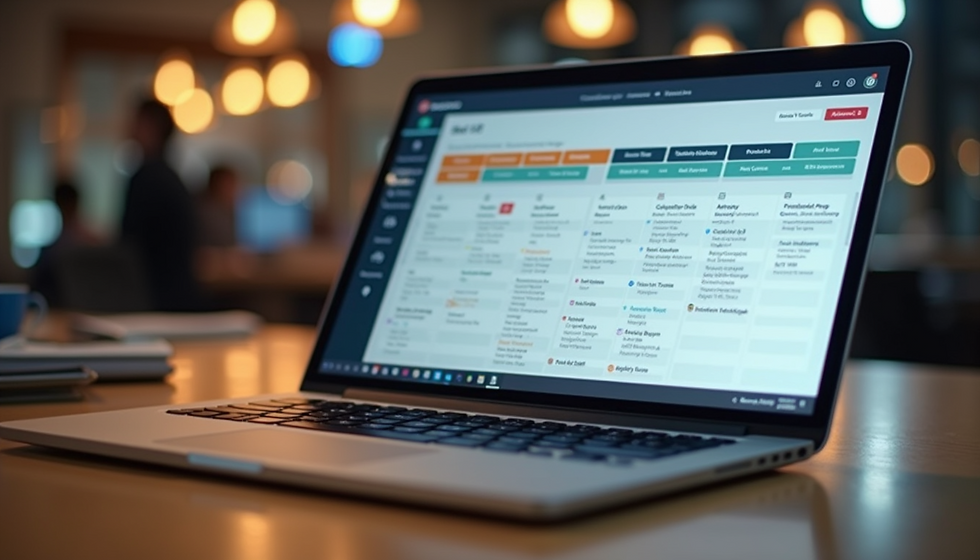
Maximize Efficiency with Australia's Best Employee Scheduling Software
- Dec 4, 2025
- 3 min read
Managing employee schedules can be one of the most challenging tasks for businesses across Australia. From juggling shift changes to ensuring compliance with labor laws, the process often consumes valuable time and resources. Fortunately, employee scheduling software designed specifically for Australian businesses offers practical solutions to these challenges. This post explores the top scheduling tools available in Australia, helping you find the right fit to boost your team's productivity and simplify workforce management.

Why Employee Scheduling Software Matters in Australia
Scheduling employees manually or with basic tools like spreadsheets can lead to errors, miscommunication, and inefficiencies. Australian businesses face unique challenges such as:
Compliance with Fair Work regulations
Managing diverse work hours across multiple locations
Handling last-minute shift swaps and absences
Balancing part-time, casual, and full-time staff schedules
Using employee scheduling software tailored for Australia helps businesses stay compliant, reduce scheduling conflicts, and improve communication between managers and staff.
Key Features to Look for in Australian Employee Scheduling Software
When choosing scheduling software, consider features that address your specific needs:
Automated shift planning to reduce manual input
Real-time updates and notifications for shift changes
Integration with payroll systems to streamline wage calculations
Mobile access for employees to view and swap shifts on the go
Compliance tools that factor in Australian labor laws and award conditions
Reporting and analytics to track attendance and labour costs
These features help businesses save time, reduce errors, and improve employee satisfaction.
Top Employee Scheduling Software Options in Australia
Here are some of the leading employee scheduling tools popular among Australian businesses:
1. Deputy
Deputy is widely used across Australia for its user-friendly interface and powerful features. It offers:
Automated rostering with compliance checks
Mobile app for employees to manage shifts
Integration with major payroll providers like Xero and MYOB
Tools for managing leave requests and timesheets
Many Australian retailers, hospitality venues, and healthcare providers rely on Deputy to simplify scheduling.
2. Tanda
Tanda focuses on compliance with Australian workplace laws. Key benefits include:
Award interpretation to ensure correct pay rates
Real-time shift tracking and attendance
Labour cost forecasting and budgeting tools
Easy shift swapping and communication features
Tanda is especially popular with businesses that need to strictly follow Fair Work regulations.
3. When I Work
When I Work offers straightforward scheduling and communication tools suitable for small to medium Australian businesses. Features include:
Drag-and-drop shift scheduling
Employee availability management
Automated reminders and notifications
Mobile apps for easy access
Its simplicity makes it a good choice for businesses new to scheduling software.
4. RosterElf
RosterElf provides a cloud-based platform designed for Australian businesses with features such as:
Award interpretation and compliance
Shift swapping and availability management
Payroll integration with Australian providers
Reporting tools for labour costs and productivity
It suits industries like hospitality, retail, and healthcare.
How Employee Scheduling Software Improves Business Operations
Using the right scheduling software can transform how your business operates:
Save time: Automate repetitive tasks like shift creation and notifications.
Reduce errors: Avoid double bookings and missed shifts with clear schedules.
Improve compliance: Automatically apply Australian labor laws and award rules.
Boost employee satisfaction: Allow staff to manage their availability and swap shifts easily.
Control labour costs: Track hours and forecast expenses accurately.
For example, a café in Melbourne using Deputy cut scheduling time by 50% and reduced payroll errors, leading to smoother daily operations.
Tips for Implementing Scheduling Software Successfully
To get the most from your new tool, follow these steps:
Involve your team early: Get feedback from managers and employees on scheduling needs.
Provide training: Ensure everyone understands how to use the software and mobile apps.
Start with a pilot: Test the software with one team before rolling out company-wide.
Monitor and adjust: Use reporting features to identify issues and improve scheduling practices.
Communicate clearly: Keep staff informed about changes and encourage feedback.
These steps help ease the transition and maximize the benefits of scheduling software.
Future Trends in Employee Scheduling for Australian Businesses
Scheduling software continues to evolve with new capabilities:
AI-powered scheduling that predicts staffing needs based on sales and foot traffic data.
Enhanced mobile features for on-the-go shift management.
Integration with workforce management systems for seamless HR and payroll processes.
Focus on employee wellbeing by balancing workloads and preventing burnout.
Staying updated with these trends can help your business maintain efficient scheduling practices.